
Anyone who knows me knows that the Fellowcraft degree is my favorite of the three, mostly because of my background in architecture. So, imagine my excitement when I made my journey to the Middle Chamber, seeing all the different symbols of architecture, especially of the elusive and infamous King Solomon’s Temple. Imagine my further excitement when I noticed the connections between my previous esoteric studies before being initiated, my experience during the EA degree, and what I was now being exposed to in the Fellowcraft degree.
Reminisce with me, if you can, since all, once again, traveled the same path within the lodge room, paused at the same gates for permission to pass, and then proceeded to the center of the lodge room, where we were, once again, taught certain things and took upon ourselves certain obligations. We were taught the sign of this degree relating to the penalty of the obligation, which was different from the previous one. That which was once insignificant was now squared and raised, with the emphasis being placed this time on our heart. The official explanation given in the ritual was unsatisfying to my curious mind, so I began to dig into the deeper symbolism behind this sign, and how it relates to the second stage of spiritual development and the Fellowcraft’s mission towards enlightenment. As in the preceding degree, I investigated Buddhist symbology, philosophy, and Jungian psychology to find further insight into instructions to proceed further in my “internal ascent.”
The Heart Chakra and the Fellowcraft’s Journey
The heart chakra, or Anahata, is a focal point of love, compassion, and connection, serving as the bridge between the physical and spiritual realms. It symbolizes love, empathy, and harmony, governing our relationships, emotions, and capacity for forgiveness. When balanced, it radiates warmth, acceptance, and a sense of interconnectedness with all beings.
In various spiritual traditions, the journey of spiritual evolution is often divided into degrees, stages, or levels. The second stage marks a pivotal transition from self-discovery towards a more profound understanding of universal love and compassion. This relates to the Fellowcraft, who is tasked with progressing into the Middle Chamber, which could be interpreted as the representation of the heart. In ancient Egypt, the heart was considered the seat of the soul, and likewise, the Fellowcraft is instructed to delve into multiple areas of study (the seven liberal arts & sciences, the study of nature, etc.). Still, ultimately, he is faced with his Master Principle/Innermost Self (symbolized by the Worshipful Master), who acts as his teacher in explaining the mysteries of the letter G, thus strengthening the bond between the Fellowcraft and his Creator.
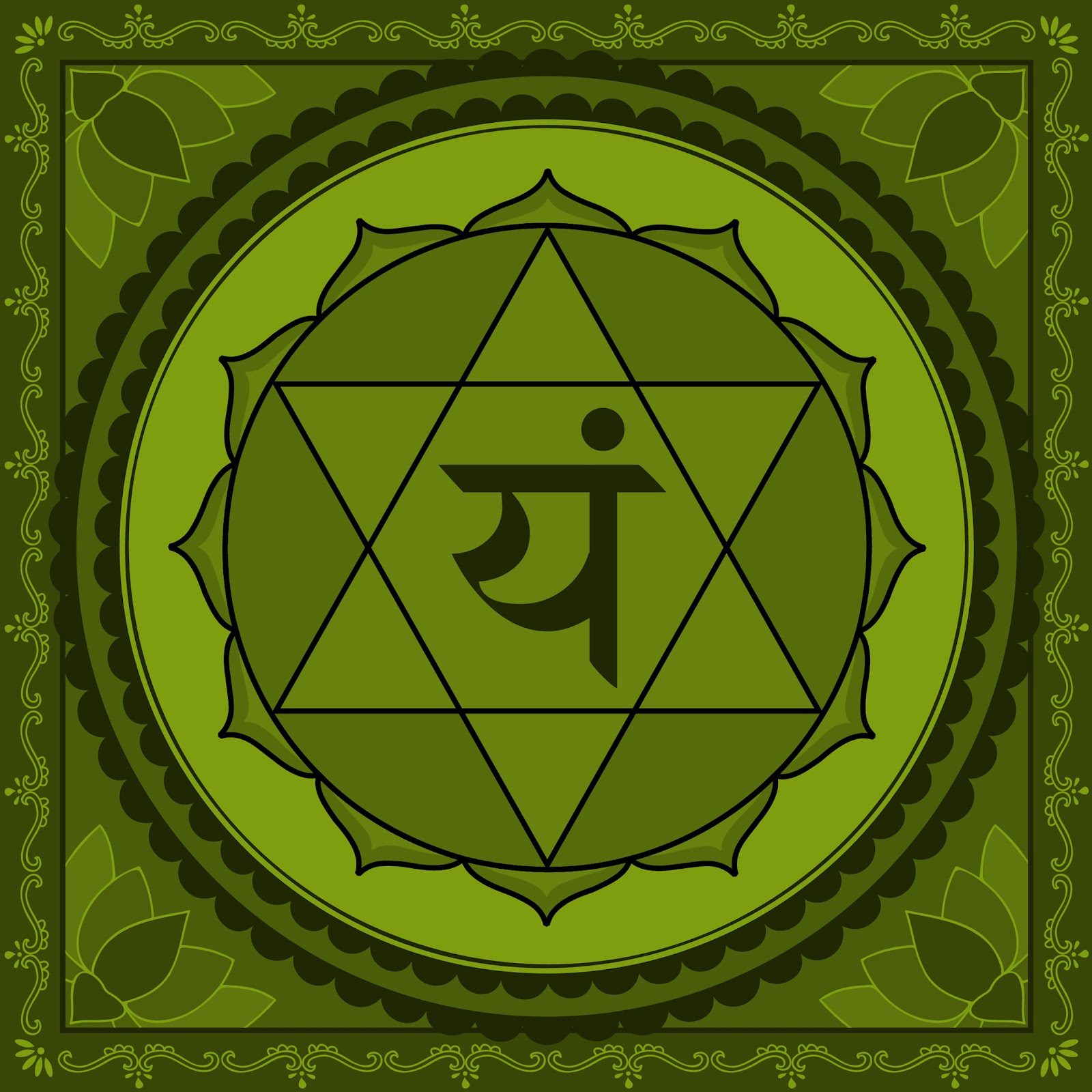
At this second stage of spiritual evolution, the heart chakra emerges as a central focal point. It beckons individuals to delve into their emotions, address past wounds, and embrace vulnerability. This stage encourages the cultivation of empathy and compassion towards oneself and others (squaring actions by the square of virtue towards all mankind), fostering genuine connections and a sense of unity with the world.
This cultivation is symbolized by the Seven Liberal Arts & Sciences, since their study is fundamentally about man’s relationship with the world above and around him (cue an “as above, so below” pun, as well as the animal references in the vows taken). The Fellowcraft’s study of the world around him is, in reality, the study of himself, since a Mason should recognize that the Temple he constructs and improves upon is the Temple that looks back at him in the mirror. One of the primary tasks of this degree, in an esoteric sense, is the healing of past emotional traumas and heartaches as the Fellowcraft prepares himself for further advancement.
Healing and Jungian Individuation
The heart chakra acts as a catalyst for this healing process, inviting individuals to confront and release pent-up emotions, resentment, and pain. Through practices like meditation, inner reflection, and psychotherapy, individuals can gradually mend the scars of the past, allowing love to flow freely once more.
In Jungian psychology, Carl Jung described three aspects of the human psyche:
- Ego – The conscious self, identity, and personal sense of reality.
- Personal Unconscious – Subliminal, forgotten, and repressed memories. Some aspects can be recalled into consciousness.
- Collective Unconscious – The universal realm of archetypes and inherited symbols, influencing all humanity.
Jung believed that for individuation to occur, the personal unconscious and the conscious ego must be fully integrated. Individuals who embark on the individuation process often grapple with existential questions, seek deeper meaning and purpose, and yearn for a sense of connection to something greater than themselves. The Self, in Jung’s model, represents the totality of the psyche, encompassing both the conscious and unconscious aspects of the individual. It serves as a guiding principle that beckons individuals toward wholeness and integration.
Jung emphasized the importance of symbolic language and imagery in accessing deeper layers of the psyche. Dreams, myths, and religious symbols serve as manifestations of the collective unconscious, offering valuable insights into the hidden dimensions of the individual. By engaging with these symbols, individuals can gain greater self-awareness and uncover the deeper truths of their inner world.
Applying This Wisdom to Masonic Growth
So, how can we as Masons apply this information to our lives to help us progress towards becoming the best versions of ourselves? Here are some practical reflections:
- Cultivating Compassion & Unconditional Love – Practicing acts of kindness, forgiveness, and understanding helps to open the heart chakra, leading to greater harmony and unity with all beings. Or, in summary, embodying the Golden Rule.
- Balancing Giving & Receiving – Honor your own needs while also being of service to others. By creating a healthy balance between self-care and altruism, we can strengthen our connection to the Collective Consciousness in psychology or the Divine in religious circles.
- Healing Emotional Wounds – Through self-reflection, acceptance, and forgiveness, we can release past traumas and cultivate emotional resilience, paving the way for spiritual growth.
- Living in Alignment with Higher Principles – Living in alignment with unconditional love, compassion, and integrity by embodying these qualities in our thoughts, actions, and words.
- Expanding Awareness and Unity Consciousness – Focusing on expanding the limitations of the ego and embracing the interconnectedness of all life. Or, in the words of Mufasa, “We are all connected in the great circle of life.”
Final Thoughts
The Fellow Craft’s journey is one of integration, wisdom, and self-awareness. By embracing the esoteric lessons of the heart, the study of universal principles, and the alchemical process of individuation, the Fellowcraft progresses toward true Enlightenment. The Middle Chamber is not just a destination—it is a state of being. As we advance through the Fellowcraft degree, we are not just building Solomon’s Temple—we are perfecting the Temple of the Self.
 The Kabbalistic Craftsman
Leave a comment